Conservation Fundraising
To date, over £800,000 has been raised to help worldwide conservation projects in a combined effort with Shepreth Wildlife Park.
As well as fundraising for the on-site Hedgehog Hospital, SWCC and Shepreth Wildlife Park have also donated conservation funding to Wild Cats Conservation Alliance, Wildlife Vets International, Red Panda Network, World Land Trust, Madagascar Fauna Group, Fauna and Flora International, IOSF, Little Fireface Project, AEECL, Red Wolf Coalition, Clouded Leopard Working Group and the EAZA campaigns.
WildCats Conservation Alliance
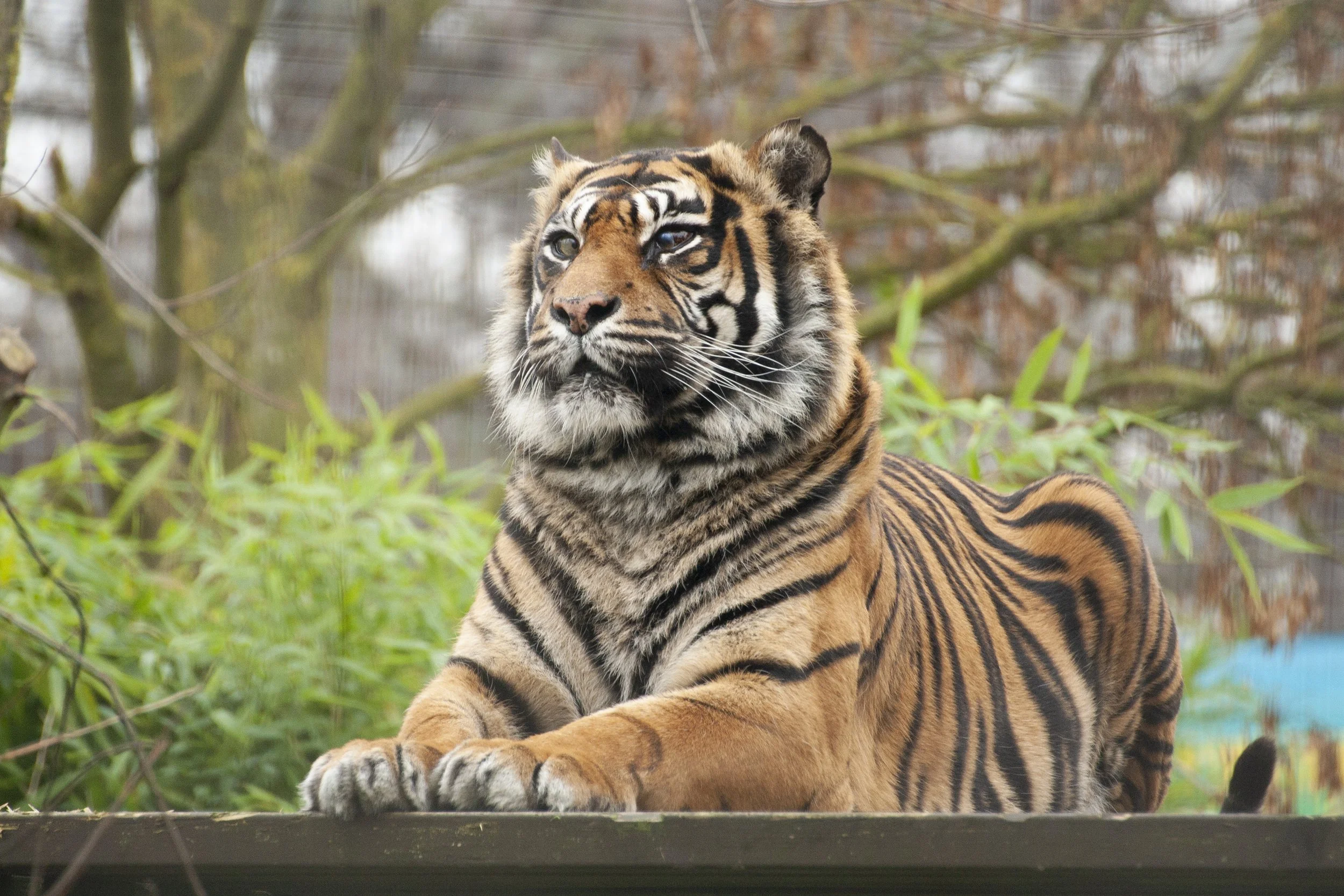
Tigers are critically endangered with around 5,000 remaining in the wild. If nothing is done they will become extinct in the wild in just 20 years. WildCats Conservation Alliance is an initiative of the Zoological Society of London (ZSL) and Dreamworld Wildlife Foundation (DWF) channelling public and zoo support for wild tiger and Amur leopard conservation projects. To help raise funds, Shepreth Widlife Park used to host an annual Tiger Party on 4th August in celebration of one of our tigers’ birthday.
Wildlife Vets International
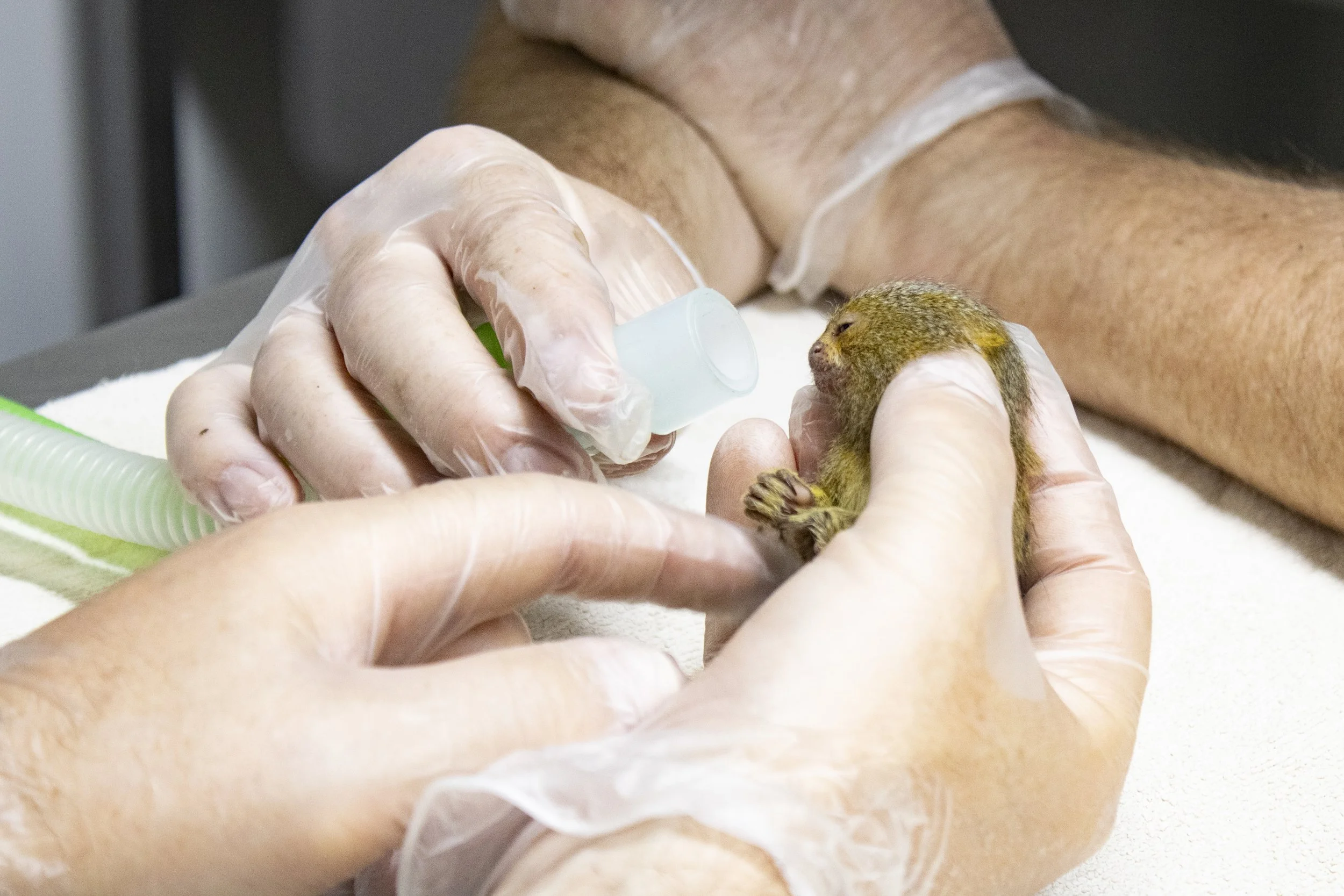
Wildlife Vets International fund specialist wildlife veterinary surgeons to provide skills, training and field management to conservation organisations fighting to save the world’s endangered animals. Their multi-species expertise addresses an underdeveloped aspect of conservation at a time of increasing and urgent need as wildlife populations become increasingly vulnerable to the effects of infectious disease. Projects range from helping resolve conflict between local people and the man-eating tigers in Bangladesh, preserving Africa’s disappearing painted dogs and rehabilitation of rare primates in Nigeria.

EAZA and Conservation
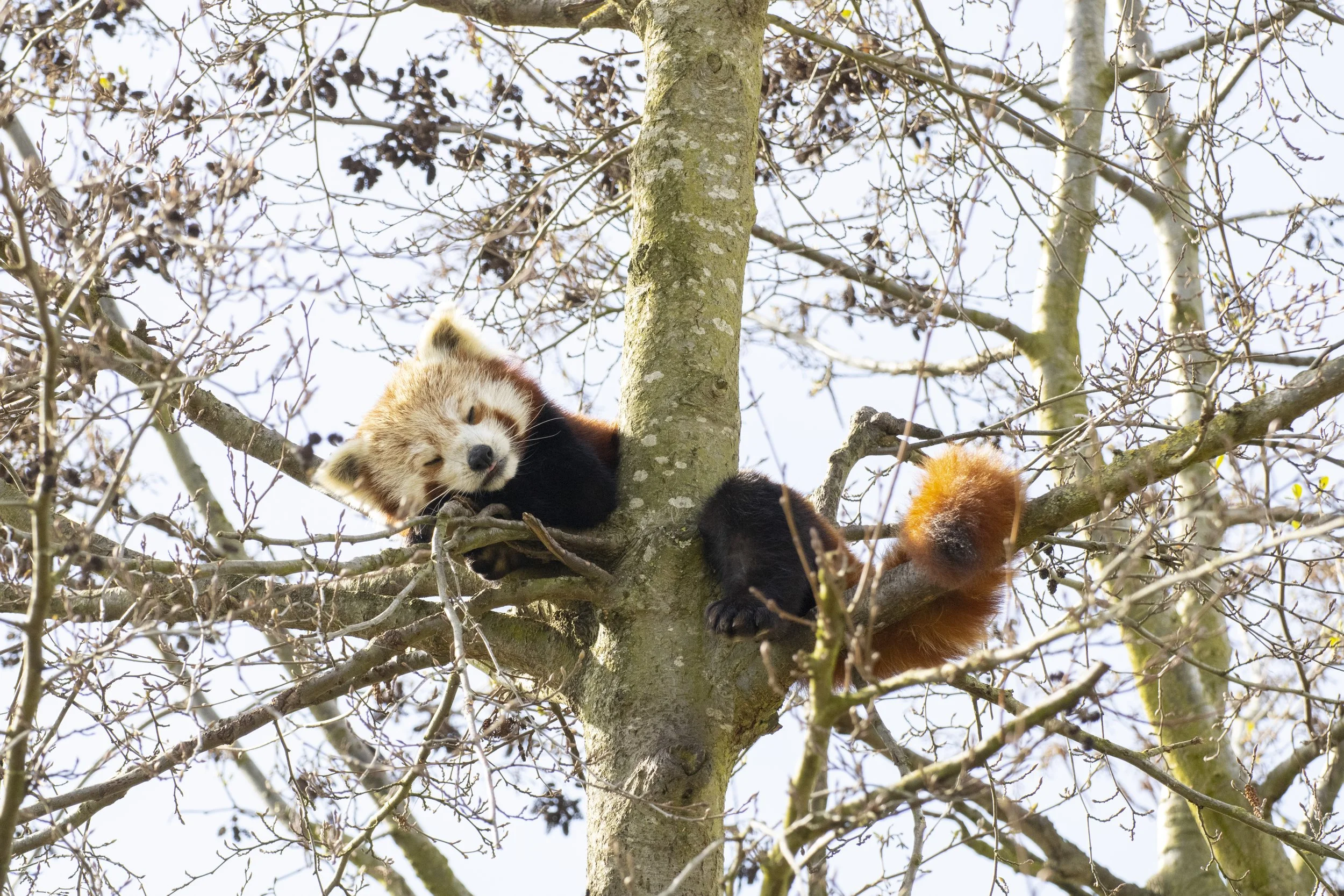
In 2000 the European Association of Zoos and Aquaria (EAZA) started with an important activity: organising annual conservation campaigns. These campaigns increase the cooperation between EAZA, its members and other conservation organisations through addressing a variety of issues affecting a range of species and habitats. Whether focusing on the trade in bushmeat or the crisis situations for amphibians, the threats to the rich biodiversity of the rainforests in South America and Madagascar or such iconic animals as tigers and rhinos, EAZA’s conservation campaigns have raised funds, promoted awareness and provided the impetus for key regulatory change. Campaigns supported include the Southeast Asia Campaign and the Ape campaign. Shepreth Wildlife Park is a member of EAZA.

Southeast Asia Campaign
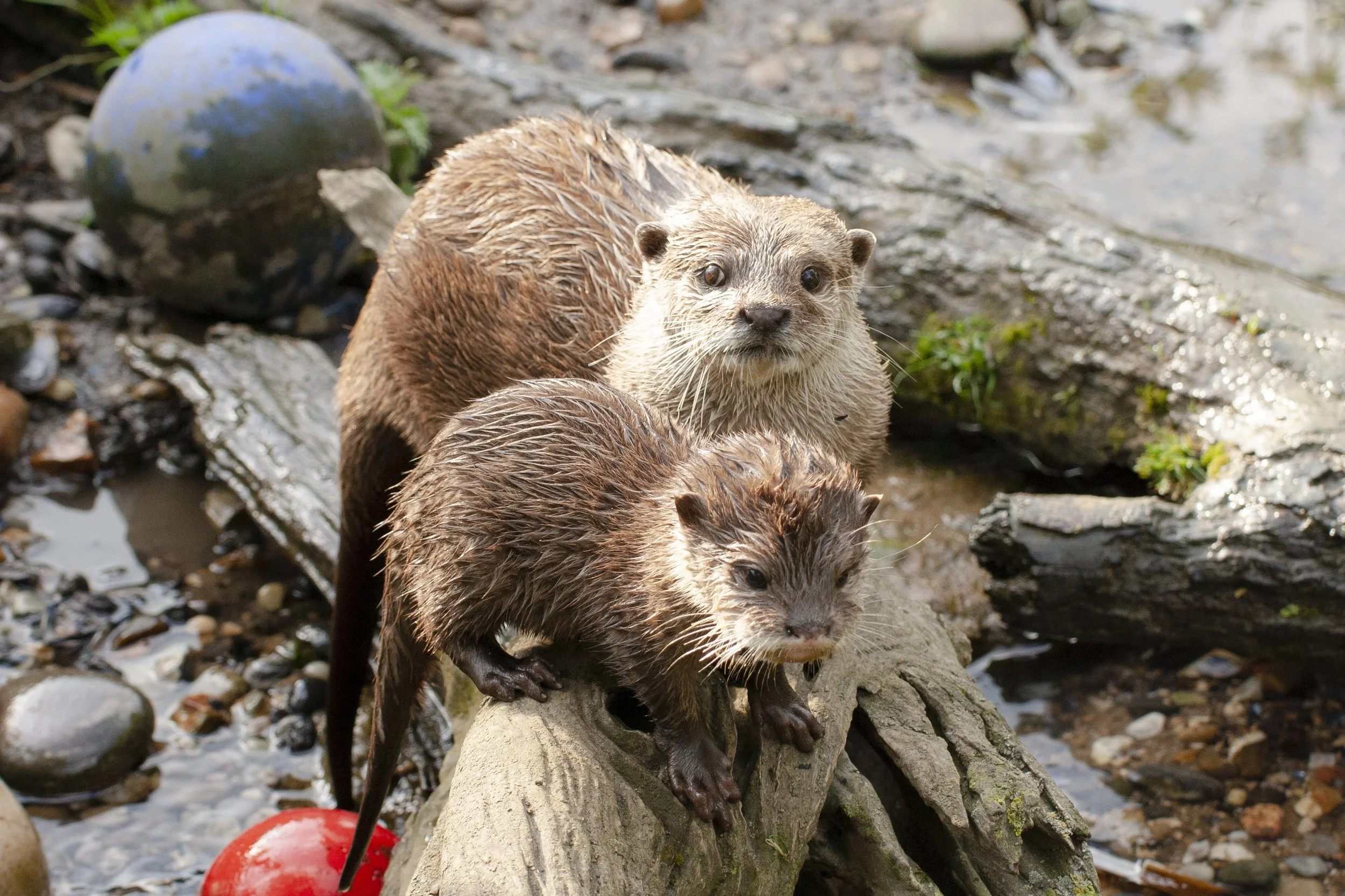
It has been identified that in Southeast Asia, big animals, those over 1kg, are declining most rapidly and that without immediate action could disappear forever. EAZA and the Species Survival Commission (SSC) of the International Union for the Conservation of Nature (IUCN) are raising funds and awareness for the conservation of the biodiversity of Southeast Asia – the Southeast Asia Campaign.

EAZA Ape Campaign
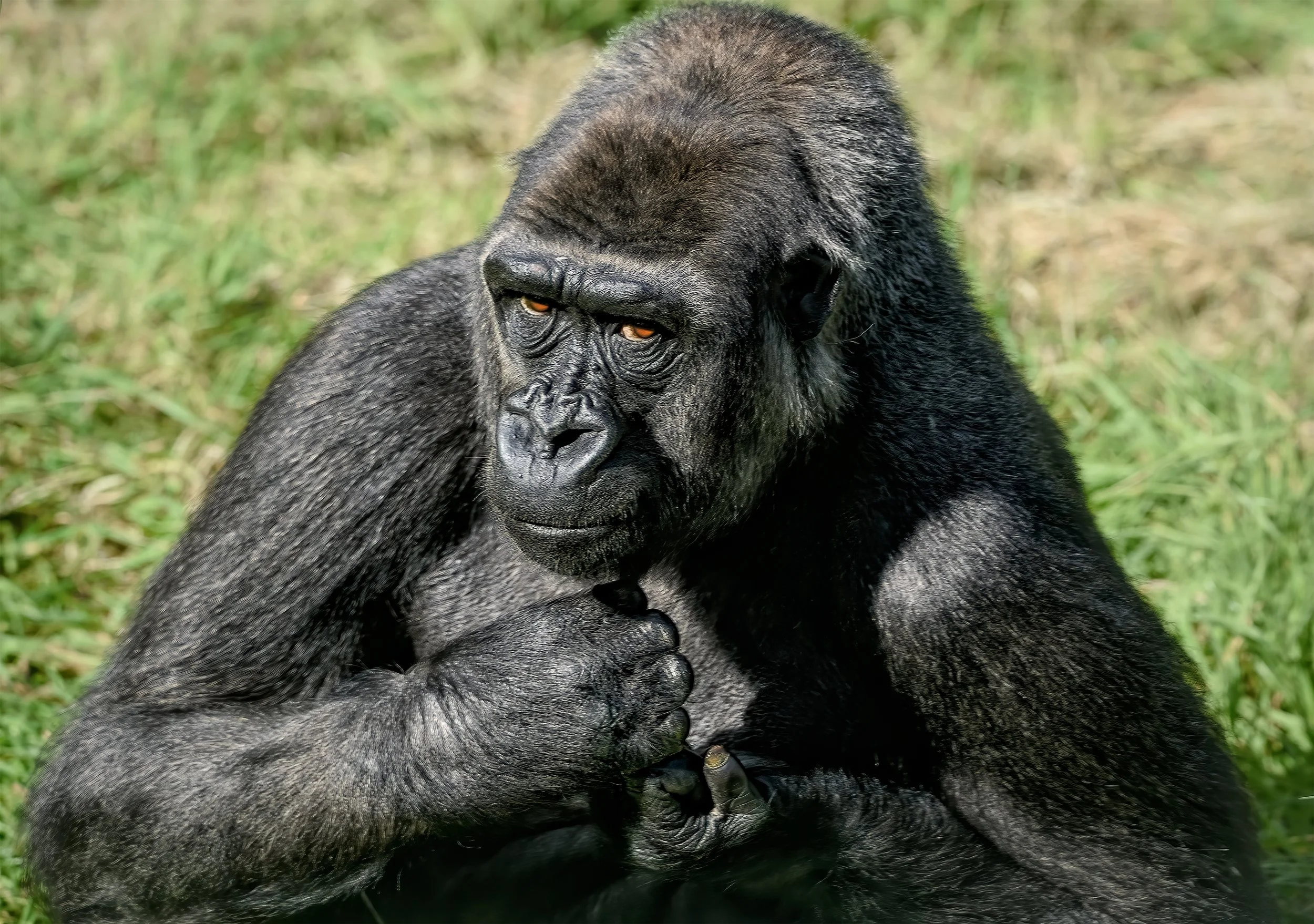
The Ape Campaign launched September 2010 with the aim of making a significant and lasting contribution to the survival of apes and their habitats. Almost all of the apes (gorillas, chimpanzees, bonobos, orangutans and gibbons) are either endangered or critically endangered, facing threats from hunting, trade, habitat destruction and disease. The campaign raised awareness of the plight of the apes and used funds raised to create an EAZA Ape Conservation Fund, providing grants to ape conservation projects.